


Dental Bridges – Westhampton, NY
Fill in Gaps, Rebuild Your Smile

When it comes to replacing missing teeth, it’s not always an all-or-nothing situation. Many people still have healthy and strong natural teeth left! In fact, in many situations, a partial or full denture may not be necessary, namely if you are replacing just one tooth or multiple adjacent teeth. That’s where a dental bridge could provide a realistic restoration and allow you to have a complete smile again! To see if a bridge in Westhampton is a solution you should consider, contact us and schedule a consultation today.
Why Choose Beach Dental for Dental Bridges?
- Personalized Treatment Plan for Each Patient
- Implants Placed In-House
- 20+ Years of Clinical Experience
What is a Dental Bridge?
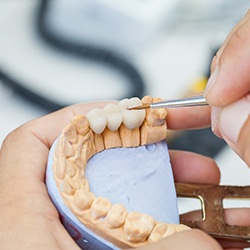
Like its name suggests, a dental bridge works similarly to a bridge on the road. This restoration has two anchor points, one on each side of the gap, and prosthetic teeth to fill in the space between them. In total, a dental bridge consists of three or more crowns that are joined together with the outside crowns hollowed out.
Types of Dental Bridges
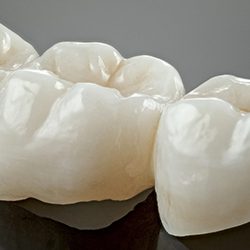
Depending on your needs, you may have two options to consider for a dental bridge. During your consultation, we can discuss your various choices and recommend the one that will best help you achieve your goals and make your smile whole.
Traditional Dental Bridge
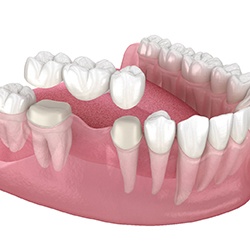
With a traditional bridge, the anchors are the two teeth that surround the missing teeth. They are slightly reduced so that the hollowed out ends of the bridge can fit over them without sticking out or changing the bite. Using these abutment teeth for stability, the bridge fills in the missing teeth with prosthetics that look just like the real thing!
Implant Bridge
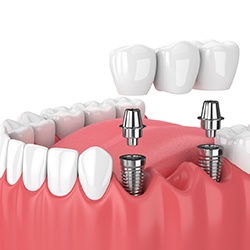
Instead of anchoring to natural teeth, an implant bridge attaches to posts that have integrated with the jawbone—just like real tooth roots. These implants mean that none of your pearly whites will need to be altered, which helps you hold onto your natural smile for as long as possible.
The Benefits of Getting a Dental Bridge

Whether you have a significant gap or are just missing one tooth, spaces in your smile allow your teeth to wander out of alignment, altering your bite. Replacing this gap with a dental bridge keeps your natural teeth where they should be. As a result, you can more easily and efficiently bite and chew your food for digestion. Also, knowing that you have a whole set of teeth can give you priceless confidence to talk, eat, and smile in front of others without embarrassment.
If you choose to get an implant bridge, you also have the benefit of reinforcing the jawbone, which not only helps preserve your natural teeth but also extends the lifespan of your restoration.
Dental Bridges FAQs
How Long Are Dental Bridges Supposed to Last?
Although there isn’t a set lifespan for dental bridges in Westhampton, they tend to go 10 years, give or take a few, before needing replacement. Much of this depends on how well you maintain your restoration and natural teeth through daily brushing and flossing and regular checkups and cleanings at our office. If you do these things as well as have a healthy diet and smart lifestyle choices like not chewing on pens or ice, you can enjoy your complete smile for as long as possible!
Does Getting a Dental Bridge Hurt?
Part of the process of getting a bridge involves reducing your anchor teeth, which may sound intimidating, but it shouldn’t hurt when we do it. Beforehand, we’ll give you a local anesthetic, numbing sensation while you’re in the chair. While you wear a temporary restoration, you may experience some sensitivity, but once your custom bridge is set, you should quickly regain a normal feeling in your mouth. You should be able to carry on without any serious change to your bite and be able to chew, eat, and smile.
How Does a Dental Bridge Compare to an Implant or Denture?
Each tooth replacement option comes with its own pros and cons. Bridges often appear to patients to be the middle ground between dentures and implants, but it can be more complicated than that. First of all, you need to have a tooth on both sides of the gap. For those with more tooth loss, an implant bridge adds more security and longevity, but the lower cost of a partial denture can seem appealing. It all depends on your individual goals and needs. Before you decide the one you want, we’ll need to discuss your available options and the perks and pitfalls of each one. After you get all this information, you can make the best choice for your smile.
What Should I Do If My Bridge Comes Off?
Your bridge should never come out of place until we remove it. If it does get knocked out or broken off, let us know immediately. This dental emergency leaves your mouth unable to perform normal functions and vulnerable to decay and pain. We’ll do everything we can to see you on the same day as your call, but until your urgent appointment, we encourage you to rinse the bridge off with clean water, place a dab of toothpaste on each anchor crown, and reposition the bridge over your teeth. This can temporarily hold the restoration in place. If the bridge is still in good condition, we can recement it, but if it is damaged, we may need to get a new one.